Every year the phone runs hot the week a system forms in the Coral Sea. By then, the honest answer is usually that there is not much left to do safely. The work that matters happens months earlier.
Wind load is the whole problem
A tree does not usually fail because it is weak. It fails because the crown catches more wind than the trunk and root plate can hold. Thin the crown properly and the wind passes through instead of pushing on it. That is the single most effective thing you can do to a healthy tree.
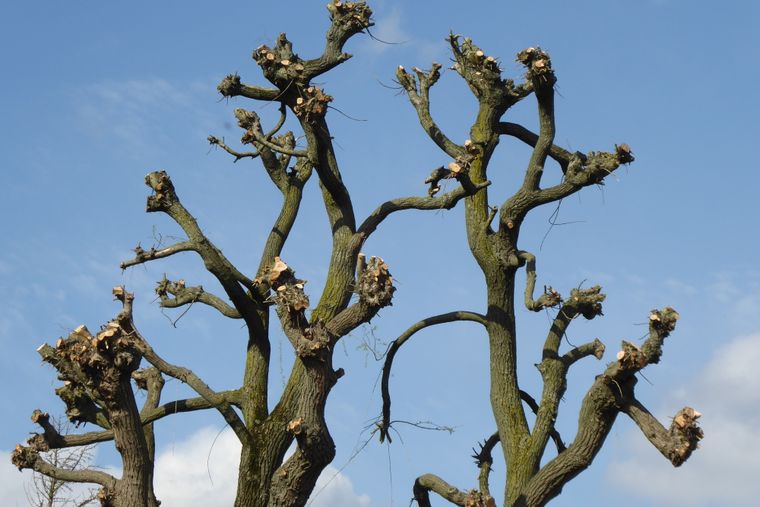
What does not work is topping it. Cutting the top out triggers a flush of fast, dense, weakly attached regrowth. Two seasons later you have a bushier crown sitting on wounds that never sealed, which is a worse combination than what you started with.
What to look at now
- Dead limbs still hanging in the canopy. They come down first and they come down hard.
- Tight forks with included bark. That union is a split waiting for a gust.
- Fresh soil heave or cracking around the base, which points at root plate movement.
- Fungal brackets on the trunk or major roots. That is decay you can see.
- Anything overhanging a roof, a powerline, a pool fence or where the kids play.
Wet soil changes everything
A tree that stands up fine in a dry season blow can go over in the same wind after a week of rain. Saturated soil has almost no grip on a root plate. This is why trees fall in the wet and not in the dry, and it is why the assessment has to consider the ground, not just the tree.
When the wind is up, stay away from it
If a tree is on your roof or across your driveway, do not go near it. Limbs under load store an enormous amount of energy and they release it in directions people do not expect. If there is any wire involved, assume it is live, keep everyone back, and call.
Not sure about a tree on your place? Send a photo. There is no charge for an opinion. Anthony, TreeX